The fast-moving consumer goods (FMCG) industry operates in a highly competitive environment where distributors must manage large product portfolios, multiple retailers, frequent orders, and demanding delivery schedules. From groceries and beverages to personal care and household products, FMCG distributors need efficient systems to maintain strong retailer relationships and ensure consistent product availability.
Managing these activities manually can lead to missed orders, delayed follow-ups, inaccurate records, and lost sales opportunities. This is why CRM software for FMCG distributors has become an important tool for improving sales operations, organizing customer information, and supporting business growth.
What Is CRM Software for FMCG Distributors?
CRM software for FMCG distributors is a digital solution that helps distribution businesses manage retailer relationships, sales activities, customer inquiries, and follow-up processes through a centralized platform.
It enables distributors to maintain retailer databases, track sales representatives’ activities, record customer preferences, and monitor sales opportunities. Depending on the software, it may also integrate with inventory management, billing, order processing, and enterprise resource planning systems.
For example, a distributor supplying snacks and beverages to hundreds of retail stores can use CRM software to organize retailer details, track visit schedules, review previous orders, and identify stores that require follow-up. This creates a more structured approach to distribution and sales management.
Key Benefits of CRM Software for FMCG Distributors
1. Better Retailer Relationship Management
Retailers are essential partners in the FMCG distribution network. Maintaining regular communication and understanding their requirements can help distributors build long-term business relationships.
CRM software stores retailer contact information, purchase history, product preferences, and communication records in one place. Sales representatives can access relevant details before visiting a store and recommend products according to its requirements.
Personalized service helps improve retailer satisfaction and encourages repeat orders.
2. Improved Sales Force Productivity
FMCG sales representatives often visit multiple retail outlets daily. Without proper planning, they may spend valuable time coordinating schedules, updating records, and remembering follow-up tasks.
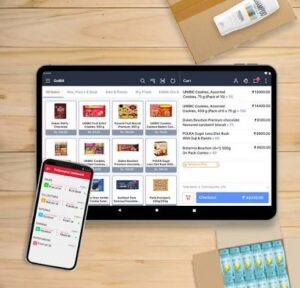
A CRM system helps managers assign territories, plan retailer visits, schedule reminders, and monitor sales activities. Representatives can update customer information and record visit outcomes using supported mobile features.
This improves coordination between field teams and management while helping businesses identify opportunities to increase sales coverage.
3. Faster Order Follow-Ups and Sales Management
Frequent ordering is a defining characteristic of FMCG distribution. Distributors must maintain consistent communication with retailers to understand demand and encourage timely reordering.
CRM software helps teams track customer interactions, record order-related discussions, and schedule follow-ups. When integrated with an order management system, it can provide better visibility into order status and related customer communications.
These capabilities help reduce missed follow-ups and create a more organized sales process.
4. Data-Driven Sales Decisions
Understanding sales performance is essential for identifying profitable opportunities. CRM software can generate reports on retailer engagement, sales representative activity, lead conversion, and customer purchasing patterns.
Managers can use these insights to identify high-performing territories, inactive retailers, and accounts that may need additional attention.
For example, if several retailers have reduced their purchases of a particular product category, the sales team can investigate possible reasons and develop suitable promotional strategies.
5. Stronger Customer Retention
Acquiring new retailers requires time and resources, making customer retention an important priority for FMCG distributors.
CRM software helps businesses maintain regular contact with retailers through reminders, promotional updates, and personalized communication. Teams can identify customers who have not ordered recently and follow up with relevant offers or product information.
Consistent engagement can strengthen trust, improve retailer loyalty, and create opportunities for repeat business.
Essential Features to Look for in FMCG CRM Software
When selecting a CRM solution, distributors should consider features that support their daily operations.
- Retailer database: Stores retailer details, preferences, and communication history.
- Sales force automation: Supports visit planning, task assignments, and activity tracking.
- Order management integration: Connects customer interactions with order processing workflows.
- Mobile access: Helps field representatives update information while visiting retailers.
- Sales reporting: Tracks performance across products, customers, and territories.
- Follow-up automation: Schedules reminders and customer communications.
- Inventory and billing integration: Connects CRM activities with relevant operational systems when supported.
The right combination of features can improve visibility across the sales process and reduce repetitive administrative work.
How to Choose the Right CRM for Your FMCG Distribution Business
Before investing in CRM software, evaluate your business size, distribution network, number of sales representatives, and existing technology systems. Small distributors may need basic retailer management and visit tracking, while larger businesses may require advanced reporting, territory management, and integration with accounting or inventory platforms.
Compare pricing, usability, scalability, mobile functionality, customer support, and data security. A product demonstration or free trial can help you understand whether the software matches your operational requirements.
Conclusion
CRM software for FMCG distributors provides an effective way to organize retailer information, improve sales force productivity, streamline follow-ups, and strengthen customer relationships. By combining customer management with suitable sales and distribution tools, businesses can make better decisions and create more efficient workflows.
For FMCG distributors aiming to improve retailer satisfaction and expand their market reach, choosing the right CRM solution can be an important step toward sustainable business growth.